

Here for the stones, not the folklore? These four cover the whole idea:


Shop protection jewelry Shop the gift guide
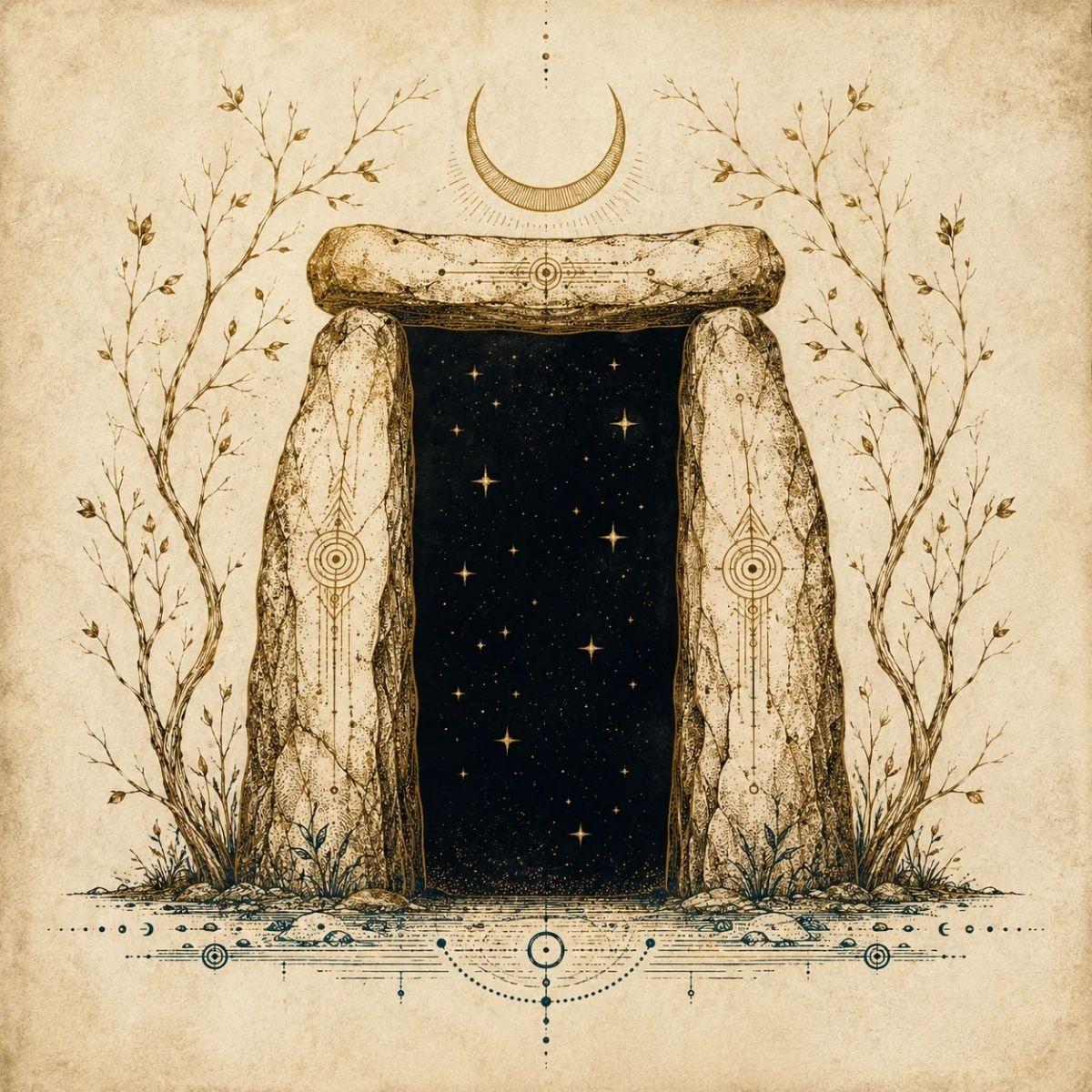
Samhain runs from sundown on October 31 into November 1. Old calendar, older idea: the year turns, the harvest is in, the dark half begins. And the veil — the membrane between here and whatever else — is said to go thin.
I am not going to tell you a rock will keep ghosts off you. I have been designing spiritual jewelry since 2008 and I have never once sold a haunting cure. What I will tell you is this: protection stones are worn as a boundary you can feel. A physical reminder, sitting on your wrist, that you get to decide what comes in this season and what does not.
That is a useful thing to have in late October, whether the thin veil is literal for you or entirely a metaphor for your mother-in-law's visit.
Quick shop: the protection edit
- Protection jewelry — hamsa, evil eye and the dark grounding stones, in one place
- Gemstone jewelry by stone — black tourmaline, obsidian, hematite, amethyst
- Spiritual symbols — evil eye, hamsa, and the old guardian shapes
- Labradorite jewelry — the stone for the in-between
- Rutilated quartz jewelry — clarity threaded right through the stone

What "thin veil" means
Samhain sits at a hinge point — halfway between the autumn equinox and the winter solstice. Celtic tradition marked it as the end of the light half of the year and the start of the dark. The harvest was finished. The herds came in. Whatever was still standing in the field was left for the dead.
The thin-veil idea comes from that hinge. At a threshold, the rules loosen. Ancestors visit. Things that have been quiet all year get loud.
You will notice this whether or not you believe a word of it. Late October is when grief resurfaces without being asked. When you dream about people you have not thought of in a decade. When you feel — and I am using the technical term here — off.
Protection stones are what you wear through that. Not to seal yourself shut. To stay solid while it moves through.
The six stones I reach for
1. Black tourmaline — the front door
If you own one protection stone, own this one. Black tourmaline is the traditional boundary stone: worn as an intention to deflect what is not yours to carry. Other people's moods. The comment that landed sideways. The room you walked into that felt wrong before anyone spoke.
Raw black tourmaline still has its striations — the fine lengthwise grooves that make it look like a bundle of dark fibres. I like the raw cut for exactly this reason. It does not look polite. It looks like a stone that means it.

Wear it low and close: a wrist, or studs. Shop the Black Tourmaline Root Chakra Bracelet, browse all protection jewelry, or take the whole idea in one go with The Protection Set — black tourmaline paired with the hamsa.

If you want it quieter, the Raw Black Tourmaline Stud Earrings do the same job without announcing themselves.
2. Obsidian — the mirror
Volcanic glass. Cooled so fast it never formed a crystal structure, which is why it takes that glassy black finish.
Obsidian is the truth-teller of the group. Where tourmaline deflects outward, obsidian reflects back — including at you. Traditionally it is the stone for the season when you are ready to look at something you have been avoiding. Samhain is that season.
Snowflake obsidian is the softer version — grey cristobalite blooms scattered through the black, like frost on a window. Same honesty, gentler delivery. Good if you find plain black a bit much.

Shop the Obsidian Stud Earrings, or browse the wider spiritual earrings collection.
If obsidian is too loud, try smoky quartz. Brown-grey quartz that takes its colour from natural radiation deep in the earth, traditionally worn for grounding without the weight of pure black. Same job as obsidian, lower volume — the one to reach for when you want to stay steady, not stare anything down.
3. Hematite — the anchor
Iron-heavy, mirror-bright, and noticeably weightier than it looks. That weight is the whole point.
Hematite is a root chakra stone — worn as an intention for staying in your body when your head is somewhere else. If your version of the thin veil is a racing mind rather than ancestors, this is your stone. A wrap bracelet gives you multiple passes of it, which is more weight and more reminder.

Shop the Root Chakra Hematite Wrap Bracelet, or browse all grounding gemstone jewelry.
4. Labradorite — the threshold stone
Labradorite flashes. Move it and blue, gold or green comes up out of a grey stone — an optical effect called labradorescence, caused by light bouncing between microscopic layers inside it.
A stone that is one colour at rest and another in motion is the obvious choice for a festival about thresholds. Labradorite is traditionally worn for the in-between: the move, the ending, the chapter you can feel turning before anyone else has noticed.

Shop the Labradorite Double Teardrop Earrings, or browse the full labradorite collection. The same Hexagon Column Stone Pendant Bracelet comes in labradorite too, if you would rather wear the threshold stone on your wrist than in your ears.
5. Amethyst — the calm one
Purple quartz, and the stone most people already own. Amethyst gets filed under "calm" so often that it is easy to skip, but at Samhain it does something specific: it takes the edge off the other five.
A stack of pure black stones can tip from protected into braced. Amethyst is the piece that keeps a protection stack from reading like armour. Wear it with the tourmaline, not instead of it.

The Amethyst Vial Necklace unscrews, which makes it the one piece here you can put something inside — a pinch of earth, a note, a name. Fitting, for this particular night. Or browse all crystal necklaces.
6. Selenite — the reset
Selenite is a soft gypsum crystal with a silky, almost fibre-optic sheen. Traditionally it is the clearing stone — worn as an intention for putting things down rather than holding them off.

Paired with black tourmaline it makes the most balanced protection piece there is: one stone that says no, one that says and now let it go. Stack the Selenite Crystal Stretch Bracelet with the tourmaline and you have the whole idea on one wrist. That combination is the single thing I would recommend to anyone building a Samhain piece from scratch.
All six of these, and every other stone you are likely to meet, are set out A to Z in the Crystal Properties Guide — worth a look if you want the full meaning behind the one you keep circling.
Not sure which one is yours?
Take the Gemstone Quiz. Sixty seconds, and it tells you which stone matches the chapter you are in — which is not always the one you would have picked for yourself.
How to wear protection stones (the practical part)
Wrists over necks, if you are choosing. A bracelet is in your eyeline forty times a day. A pendant under a sweater is not. The reminder is most of the value.
Two stones, not six. One that holds a boundary, one that softens it. Tourmaline plus amethyst. Obsidian plus selenite. Hematite plus labradorite. A stack of every dark stone you own reads as fear rather than steadiness, and you can feel the difference wearing it.
Put it on before, not during. If you are hosting, visiting graves, sitting an ancestor supper, or simply getting through a hard weekend — the piece goes on in the morning. Not when you are already rattled.
Clean it after. Protection stones get worn on the days that ask the most of you, which is exactly when skin oils, perfume and stress-sweat build up. A soft cloth and a minute is all it takes. My guide to how to clean protection stone jewelry covers it, and if you want the energetic side, here is how to cleanse your jewelry.
A small Samhain ritual, if you want one
You do not need candles, a circle, or anything you have to buy.

On the evening of the 31st, hold the piece you are going to wear. Name one thing you are carrying into the dark half of the year on purpose. Name one thing you are leaving in the field with the harvest.
Put the piece on. That is it. That is the whole ritual.
The stone is not doing the work. You said the two things out loud, and now there is something on your wrist that remembers you said them. That is what these pieces are for — reminders, not fixes. If you want a piece made for exactly this — quiet, on the wrist, easy to hold while you say the two things — the Hexagon Column Stone Pendant Bracelet is the one I reach for.
Shop protection jewelry Shop labradorite
Frequently asked questions
When exactly is Samhain?
Sundown on October 31 through November 1. Some traditions observe astronomical Samhain instead — the true midpoint between the equinox and solstice — which falls in the first week of November.
What is the single best protection stone for a beginner?
Black tourmaline. It is the most traditional, the most forgiving to wear, and it pairs with everything else you already own.
Can I wear more than one protection stone at once?
Yes — two is the sweet spot. Pair one boundary stone with one softening stone rather than stacking four dark stones together.
Do I need to cleanse my stones at Samhain?
There is no rule. Many people do clear their pieces at the turn of the year because it is a natural marker. If you want the method, read the crystal cleansing guide.
Are protection stones only for Samhain?
No. These are the pieces that get worn hardest in January and through the first cold months. Samhain is just when people start reaching for them.
Keep reading
- Fall Equinox Rituals 2026: Mabon Crystals & Balance — the turn of the wheel just before this one
- Hunter's Moon 2026: Date, Meaning + Ritual Guide — the full moon six days before Samhain
- Scorpio Season Crystals — the season Samhain falls in
- The Crystal Properties Guide — every stone above, A to Z
- The Complete Crystal Guide: Where to Start
- New Moon Rituals for Beginners
- Blood Moon Rituals and the Total Lunar Eclipse Guide
Ready to pick your piece? Start with the protection collection, or take the Gemstone Quiz and let it choose for you.
Want the next moon guide in your inbox before it rises?
Free moon phase rituals and crystal pairings — my voice, no fluff, no fake urgency.
Andrea 🌙


