

Never once described as subtle.


Type: jewelry sets
Ruby-Red Hydro Quartz Set | Necklace & Earrings | Gold


Type: earrings
Small Ruby Drop Earrings | July Birthstone Jewelry


Type: earrings
Ruby Drop Earrings | Hand-Wrapped Tops | Genuine Ruby | July Birthstone
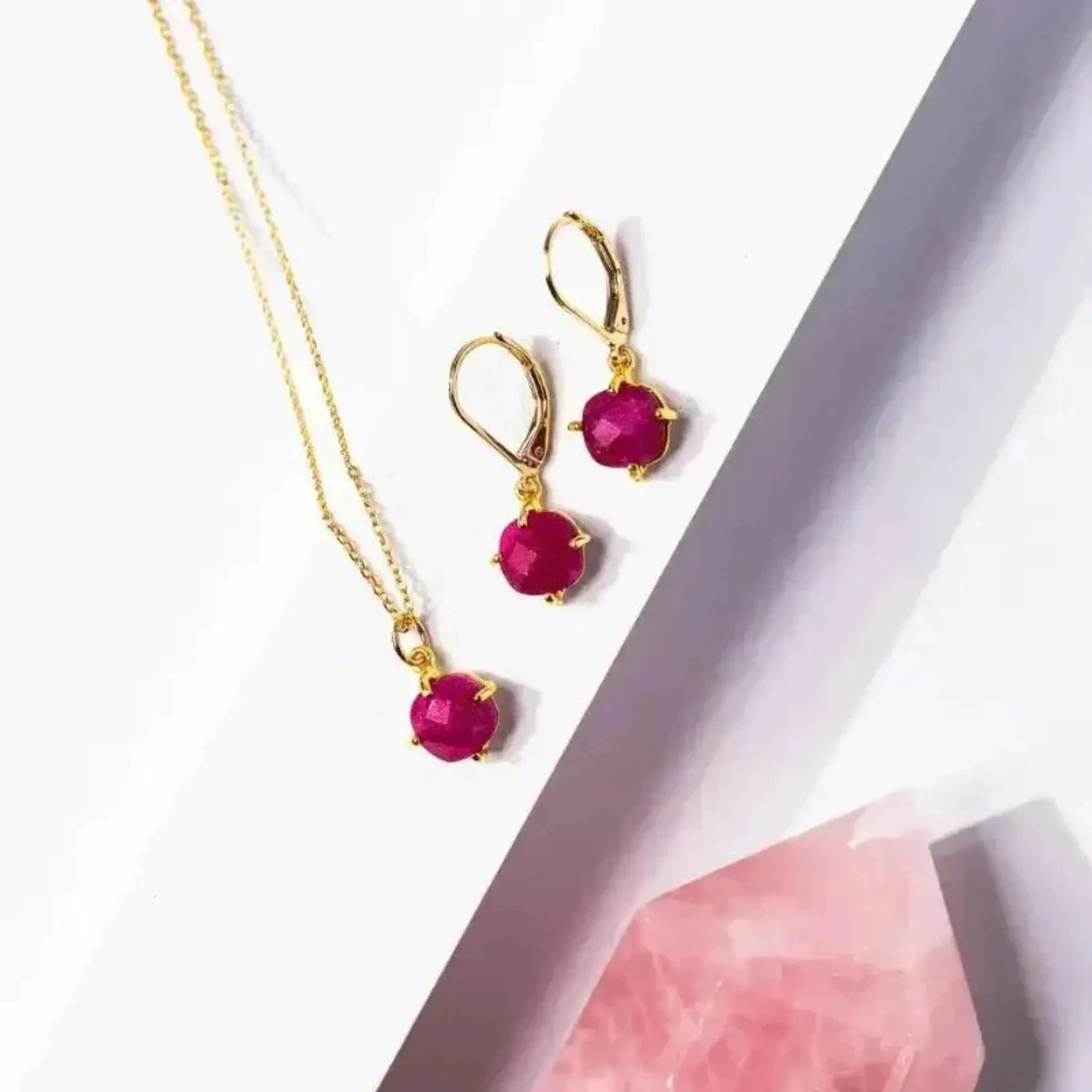

Type: jewelry sets
Genuine Ruby Necklace & Earrings Set | July Birthstone


Type: bracelets
Ruby Adjustable Bracelet | Natural Ruby | July Birthstone

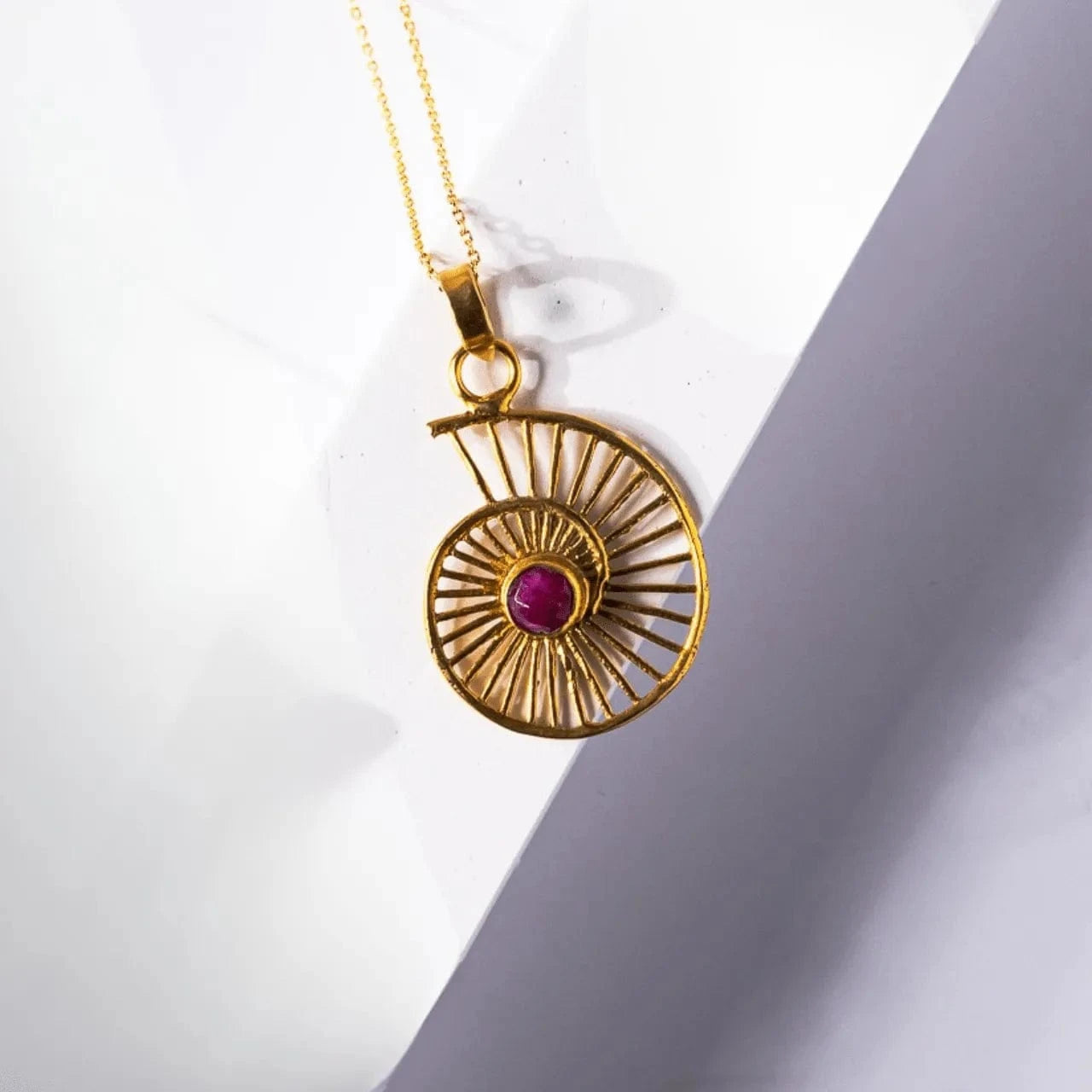
Type: necklaces
Ruby Shell Pendant Necklace | Natural Ruby | July Birthstone


Type: earrings
Ruby Point Earrings | Genuine Ruby | Leverback | July Birthstone


Type: earrings
Ruby Stud Earrings | Lab-Created Ruby | 925 Silver | July Birthstone


Type: earrings
Ruby Quartz Crystal Funky Drop Earrings | Element Collection


Type: earrings
Funky Organic Ruby Earrings | Genuine Ruby | Gold-Filled Statement


Type: bracelets
Ruby Red Hydro Quartz Bracelet | July Birthstone Style Bracelet


Type: necklaces
Luxe Natural Ruby Necklace | Stone-to-Stone Faceted Ovals | July Birthstone


Type: necklaces
Ruby-Red Quartz Teardrop Pendant Necklace | July Birthstone Alternative


Type: necklaces
Ruby Hydro Quartz Necklace | Faceted Pear Drops | 30 in Gold Plated


Type: necklaces
Ruby Drop Wire Wrapped Necklace | Faceted Opaque Ruby Pendant | July Birthstone


Type: earrings
Ruby Multi-Hoop Statement Earrings | Genuine Ruby | Waterproof Gold

Type: necklaces
Ruby Drop Necklace | Faceted Opaque Ruby Pendant | July Birthstone


Type: earrings
Ruby Triple Drop Statement Earrings | Genuine Faceted Ruby | July


Type: necklaces
Ruby & Gold Chain Necklace | Spaced Faceted Ovals | July Birthstone


Type: necklaces
Red Exquisite Necklace | Gold or Silver Accents


Type: earrings
Red Exquisite Earrings | Gold or Silver Accents

Type: necklaces
Ruby-Red Glass Bead Necklace | Gold Plated | Romantic Red Statement


Type: necklaces
Triangle Drop Birthstone Necklace | Ruby or Emerald Opaque Gemstone | Gold Plated


Type: earrings
Moonstone & Ruby Earrings | June + July Birthstones | Genuine Stones


Type: necklaces
Hammered Gold Medallion Necklace | CZ Center Stone
Ruby is sapphire, technically
Ruby and sapphire are the same mineral — corundum. Chromium makes it red and we call it ruby; anything else makes it a sapphire, including pink ones, which is the source of a genuinely unresolved argument in the trade about where pink sapphire ends and ruby begins.
What this means practically is excellent: corundum is 9 on the Mohs scale, second only to diamond. Ruby is the hardest stone on the birthstone list by a wide margin. It does not scratch, it does not fade, it does not care. If you want a birthstone that can be worn daily for decades without thinking about it, this is the one.
It is also, at gem quality, among the most expensive coloured stones on earth — fine untreated ruby outprices comparable diamond per carat. Which is precisely why the material question below matters more here than in any other month except April.
What July's stone is for
Ruby's reputation is entirely consistent across cultures: vitality, courage, passion, the life force made visible. Burmese warriors reportedly embedded rubies under the skin for invulnerability, which is committed if nothing else.
In chakra terms it sits at the root — the base, the foundation, the unglamorous layer underneath everything ambitious. This is the part of ruby people miss. For all the drama of the colour, the stone's actual job is being solid: showing up, following through, doing the thing you said you'd do. High summer energy with a foundation underneath it.
Genuine, lab-created and look-alikes
Almost all ruby on the market is treated, and most of it is heated — standard, permanent, and disclosed as normal practice. Beyond that, lab-created ruby has existed since the late 1800s and is chemically identical corundum: same hardness, same colour mechanism, grown rather than mined. It is not a fake. It is a real ruby with a shorter commute, at a price that makes sense for a birthday.
Red glass, dyed quartz and red spinel also circulate under loose "ruby" language elsewhere. Not here. Every listing states which it is: genuine, lab-created, or a look-alike standing in for the colour — and a look-alike is never described as the real stone.
Wearing it
Ruby red is warmer and deeper than garnet's, and the two are worth comparing side by side if you're choosing between January and July shades. Ruby leans blue-red; garnet leans brown-red.
In gold it reads classical and slightly formal. In silver it cools and modernises considerably. It is a strong colour — one ruby piece is usually enough in an outfit, and it does not want competition from other reds.
Care
Effectively indestructible for jewellery purposes. Warm water, mild soap, soft brush. The only caution is for fracture-filled stones, which are more common at low prices and dislike heat and harsh chemicals — so if the listing notes filling, skip the ultrasonic. Details in the crystal care guide, and the longer read sits in the July ruby guide.
Common questions
Is lab-created ruby a real ruby?
Yes. It's corundum coloured by chromium — chemically and physically identical to mined ruby, grown under controlled conditions instead of found.
What's the difference between ruby and sapphire?
Only the colour. Both are corundum. Chromium makes it red and it's called ruby; every other colour of corundum is a sapphire.
How does ruby differ from garnet?
Ruby leans blue-red, garnet leans brown-red. Ruby is also far harder — 9 on Mohs versus around 7.
Is the stone genuine?
Each listing says: genuine, lab-created, or a look-alike standing in for the colour. Red glass and dyed quartz are never described as ruby here.
Can ruby be worn every day?
Yes. At 9 on Mohs it's the toughest stone on the birthstone list and doesn't fade. It's close to maintenance-free.
What is ruby worn for?
Courage, vitality and passion — but it's a root chakra stone, so the underlying theme is being solid and following through rather than pure drama.